Homeowners in Duvall, WA need reliable guidance when planning garage door repair. Choosing materials that stand up to our coastal-influenced weather and seasonal moisture will extend life, improve energy efficiency, and reduce repeat service calls. This guide explains common materials, tradeoffs, and small choices that matter for local residential service projects.
Why material choice matters for garage door repair
Not all repairs are the same. A spring or cable replacement focuses on mechanics; a panel or full-door repair depends on the door material. Picking the right material affects:
- Durability in damp, salty air
- Insulation and energy bills
- Maintenance frequency
- Upfront cost vs. lifecycle cost
Local technicians who understand Duvall microclimates can recommend options that match your budget and goals. For seasonal tips and recent service notes, see our blog for updates and project examples.
Common materials and when to choose them
Steel
Steel is the most common choice for repairs and replacements. It is strong, resists impact, and is cost-effective. For Duvall homeowners, look for galvanized or pre-painted steel to resist rust; add a factory-applied coating if you expect near-constant dampness.
- Pros: durable, low cost, good for insulated cores
- Cons: can dent, may corrode over many years if finish fails
Aluminum
Aluminum is lightweight and resists corrosion better than uncoated steel. It’s a sensible choice for wider doors or modern designs. For repair work, aluminum sections are easy to replace but require attention to reinforcement to avoid flexing.
- Pros: resists rust, lightweight
- Cons: dents easily, may need stronger framing for long spans
Wood and wood-composite
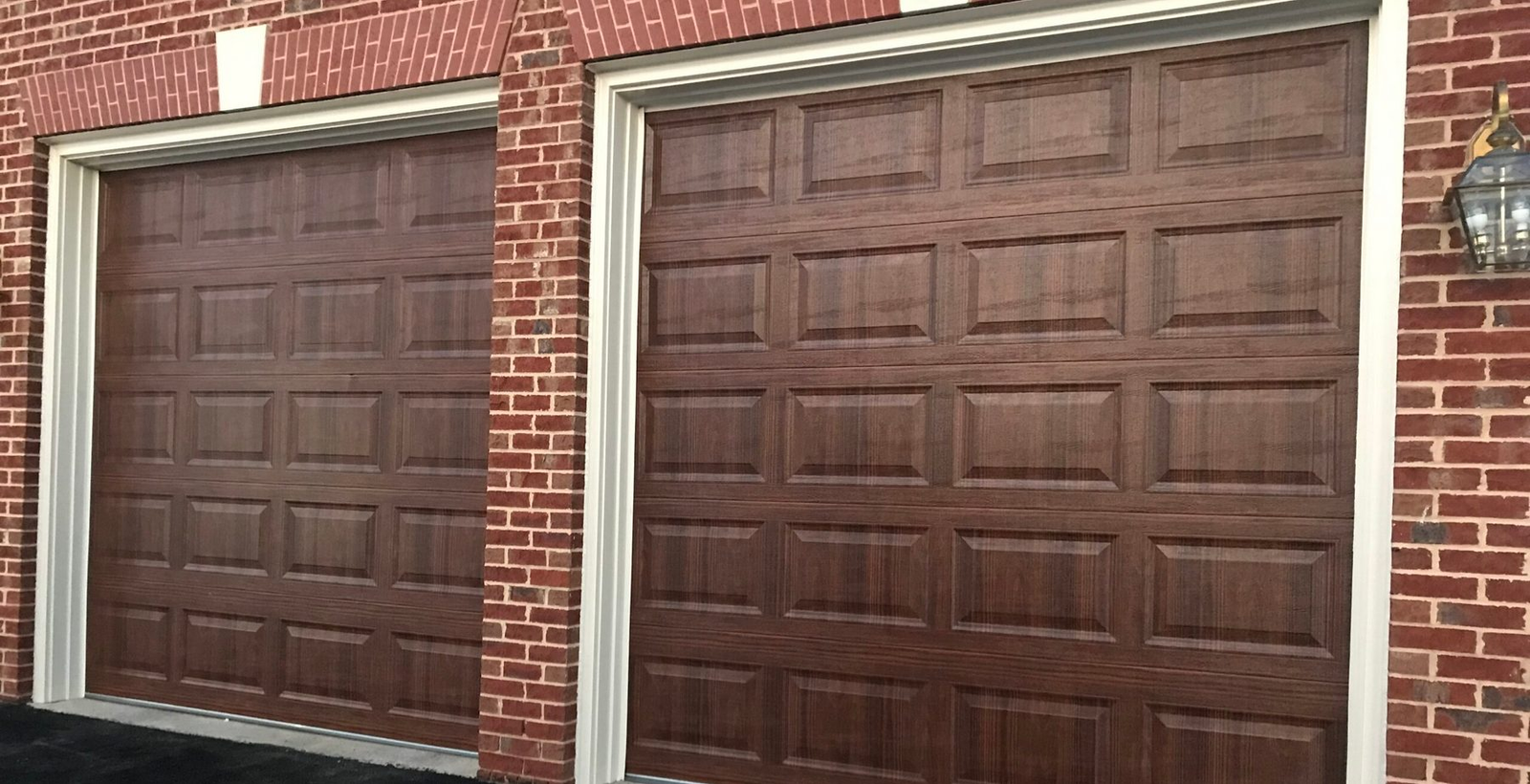
Wood gives a classic look and high curb appeal, but in Duvall’s humid environment it needs regular sealing. For repairs, matching grain and finish is crucial. Wood-composite options deliver the look with lower maintenance.
- Pros: attractive, customizable
- Cons: higher maintenance, susceptible to moisture without finish
Fiberglass
Fiberglass resists rot and is lightweight, making it a low-maintenance option. It can fade in strong sunlight and may crack on hard impact. Often chosen for seaside or wet-climate homes.
Insulation, cores, and performance tradeoffs
Insulation matters if your garage is attached or used as a workspace. Repairing a door panel or replacing sections is a good time to upgrade the core.
- Polystyrene: thin, affordable, improves thermal performance modestly.
- Polyurethane: denser, better R-value, often injected into steel doors for long-term insulation and stiffness.
- Non-insulated: cheaper, lighter, but poor at reducing heat transfer and noise.
For Duvall homeowners concerned about winter drafts or heated garages, polyurethane-filled steel panels offer a strong balance of insulation and durability.
Local concerns: climate, codes, and contractor practices
Our weather patterns in WA influence material lifespan. Salt spray is more of a concern near Puget Sound, but inland humidity and winter rain still increase corrosion risk. When planning repairs, consider these local items:
- Finish quality: look for factory-applied corrosion-resistant coatings.
- Hardware materials: stainless or galvanized hardware lasts longer in damp conditions.
- Seals and weatherstripping: replace during repairs to maintain insulation and pest control.
If you’re unsure about permit needs or local restrictions for a major replacement, our services page outlines common replacement scenarios and when we liaise with local building departments.
Warranties and expected lifespans
Material and manufacturer warranties vary. Steel doors with good coatings often carry longer rust warranties. Wood warranties are typically shorter and hinge on maintenance. Ask your technician for written warranties on both labor and materials before repair work begins.
How to choose for a repair vs. a full replacement
Decisions differ depending on whether you’re repairing a sectional panel, replacing springs, or installing a full new door.
- Minor repairs (springs, rollers, weather seals): focus on matching parts and corrosion-resistant components.
- Panel repairs: match material, finish, and insulation type to adjacent sections to avoid thermal bridges and visual mismatch.
- Full replacement: re-evaluate material choice with long-term lifecycle costs and local conditions in mind.
To schedule an on-site inspection or get a written quote, use our contact form and we’ll recommend materials tailored to your home and budget.
Quick checklist for Duvall homeowners
- Match finish and insulation when repairing panels.
- Choose galvanized or coated steel for wet climates.
- Consider polyurethane cores for attached garages or heated spaces.
- Upgrade hardware to stainless or galvanized to avoid repeat service calls.
- Confirm written warranties for both parts and labor.
- Ask your technician about expected timelines and permit needs for replacements.
Picking the right materials upfront reduces costs over time and keeps your garage functional through our wet seasons. For tailored recommendations and pricing specific to homes in Duvall, WA, contact a local technician who inspects doors on-site and tests balance, tracks, and hardware during the evaluation.
Frequently Asked Questions
1. How does Duvall weather affect garage door materials?
Moisture and seasonal rain accelerate corrosion on uncoated metals and can warp untreated wood. Choose galvanized or factory-coated steel, or low-maintenance composites, and replace seals during repair to limit moisture entry.
2. How long will a typical garage door repair take in our area?
Minor repairs (springs, cables, rollers) usually take 1–3 hours. Panel replacement or insulation upgrades often require 2–4 hours. Full door replacements are scheduled as half- or full-day jobs depending on prep and weather.
3. What price ranges should I expect for material upgrades?
For repairs in 2025, expect small mechanical fixes under $300. Panel repairs commonly range $300–$900 depending on material. Upgrading to insulated steel or polyurethane cores on a full door commonly ranges from $900–$3,000 installed, depending on size and finish.
4. Do I need a permit to replace my garage door in Duvall?
Most simple repairs don’t need permits. Full structural changes or openings that alter the garage opening height/width or change load-bearing framing may require a permit. Ask us during inspection and we’ll flag permit needs.
5. What warranties are typical for parts and labor locally?
Manufacturer part warranties vary: 1–10 years depending on material and finish. Labor warranties from reputable local companies typically run 90 days to 1 year. Always get warranties in writing before work begins.
Helpful local resources in Duvall, WA
- Garage Door Repair Seattle
- Garage Door Repair Bellevue
- Garage Door Repair Redmond
- Garage Door Repair Kirkland
- Garage Door Repair Mercer Island
- Garage Door Repair Edmonds
- Garage Door Repair Issaquah
- Garage Door Repair Tacoma
- Garage Door Repair Everett
- Garage Door Repair Bothell
- Garage Door Repair Sammamish
- Garage Door Repair Renton
- Garage Door Repair Lynnwood
- Garage Door Repair Woodinville
- Garage Door Repair University Place
- Garage Door Repair Gig Harbor
- Garage Door Repair Lakewood
- Garage Door Repair Puyallup
- Garage Door Repair Mukilteo
- Garage Door Repair Vancouver
- Garage Door Repair Kenmore
- Garage Door Repair Burien
- Garage Door Repair Auburn
- Garage Door Repair South Hill
- Garage Door Repair Yarrow Point
- Garage Door Repair Clyde Hill
- Garage Door Repair Port Townsend
- Garage Door Repair Duvall
- Garage Door Repair Snoqualmie