If you own smart garage systems in Duvall, WA, knowing when to replace parts keeps your garage secure and working. Homeowners here face damp winters and spring winds that shorten component life; this practical guide explains what to watch for and when to call professional residential service.
Common parts that fail on smart garage systems
Smart garage systems pair mechanical door hardware with electronic controls, which creates more potential failure points than a purely mechanical door. Understanding each part helps you prioritize replacements and avoid emergency failures.
- Torsion springs: High-stress parts that fatigue with cycles. Breaks are sudden and dangerous—replace both springs together.
- Drive belts and chains: Stretch and wear; excessive slack puts extra load on the opener motor.
- Opener motor and gearbox: Expect 7–12 years depending on use; many smart garage systems use compact motors that are sensitive to overwork.
- Safety sensors (photo-eyes): Misalignment or moisture damage can disable auto-reverse functions.
- Control boards and Wi‑Fi modules: Electronics fail from surges, corrosion, or humidity; smart garage systems often need earlier replacement of these components.
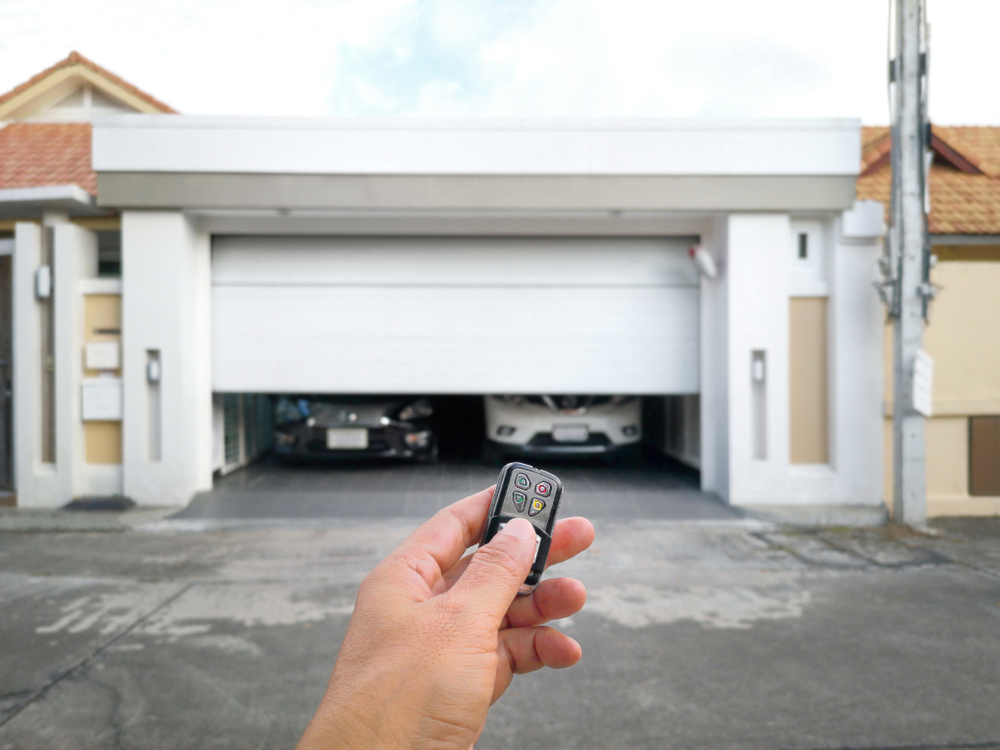
- Remotes and keypads: Batteries die and buttons wear; firmware or compatibility changes can make old remotes obsolete.
- Rollers, hinges, and seals: Wear causes noise, leaks, and uneven movement; replace before they damage tracks or panels.
Signs you should replace parts — quick checks
If your smart garage systems show these symptoms, schedule service soon to prevent a system failure:
- Slow or jerky travel: Could be opener strain, worn rollers, or a failing gearbox.
- Connectivity drops: Frequent app disconnects or re-pairing indicate a failing Wi‑Fi module or control board in smart garage systems.
- Unusual noises: Grinding, scraping, or loud clunks usually mean mechanical parts are failing.
- Safety reversal issues: If the door won’t reverse properly, immediately replace sensors or springs.
- Short electrical cycles or tripped breakers: May point to failing electronics on the control board.
Replacement timelines and local factors
Timelines vary with use, model, and environment. In Duvall’s damp climate, expect electronics in smart garage systems to need attention earlier than in dry regions.
- Torsion springs: 5–10 years depending on cycles.
- Openers (motor/drive): 7–15 years.
- Control boards/Wi‑Fi modules: 5–10 years; sooner with moisture or surge exposure — common in smart garage systems.
- Sensors and remotes: 3–7 years.
- Rollers, cables, tracks: 10–20 years with proper maintenance.
Weather, salt, and humidity
Duvall sees year-round humidity and occasional salt spray in some neighborhoods. Salt and moisture corrode metal and degrade circuit boards. Schedule inspections at least twice a year for smart garage systems and ask technicians to check seals and surge protection.
Cost expectations and what to budget
Replacement cost varies by part and model. Typical ranges:
- Springs: $150–$300 installed.
- Opener motor: $400–$900 depending on horsepower and smart features.
- Control board/Wi‑Fi module: $150–$500 plus diagnostic labor.
- Labor for integrated smart garage systems can be higher because technicians must test both mechanics and connectivity.
Most of these jobs are standard residential service visits. If you want a seasonal checklist and prep guidance, read our posts on the blog.
Routine maintenance to extend component life
Regular maintenance delays replacements and keeps systems safer. Simple checks save money over time.
- Inspect springs and cables annually.
- Lubricate rollers, hinges, and springs every 6–12 months.
- Test safety reversal and sensor alignment monthly.
- Update firmware and secure network access for Wi‑Fi modules in smart garage systems to avoid connectivity failures.
- Use surge protection and clean electrical connections before the wet season.
- Hire a local residential service for annual tune-ups — they know Duvall, WA weather impacts and parts availability. View our available options on our services page.
When to replace vs repair — a practical checklist
Decide to replace when repairs approach the cost of a new, compatible unit or when vendor support ends. Common triggers include:
- Repeated electronic failures or corrosion from moisture.
- A major component costs more than roughly half the price of a new compatible system, especially for older smart garage systems with obsolete controllers.
- Safety issues like broken springs or failed reversal.
- The desire to upgrade to modern security and app features—if your smart garage systems lack encryption or app support, replacement is often the smarter long-term choice.
When you’re ready to schedule a local inspection or estimate, contact our team for a fast assessment and transparent pricing: Contact us.
Choosing replacement parts and warranties
Choose OEM or well-reviewed aftermarket parts that explicitly list compatibility with your opener. Warranties vary; longer coverage on motors and control boards typically indicates higher-quality components. For smart garage systems, confirm firmware update policies and whether the manufacturer supports the unit for mobile app integration.
Document serial numbers and firmware versions for every smart garage systems component to streamline future repairs and warranty claims. When in doubt, use a certified local technician who can match parts and verify proper installation.
For Duvall homeowners, replacing parts on time means fewer emergency closures and safer operation. Regular checks, a local tune-up, and choosing compatible parts will keep your garage doors working smoothly through wet seasons and temperature swings.
Frequently asked questions — Duvall, WA
Q: How does Duvall weather affect smart garage system parts?
A: High humidity and seasonal wetness accelerate corrosion on metal parts and can cause control boards or Wi‑Fi modules to fail earlier. Inspect seals and electronics twice a year and ask a technician to test surge protection.
Q: How long will a Wi‑Fi module or control board last in our climate?
A: Typically 5–10 years; in damp neighborhoods you should budget for earlier replacement. Use surge protection and keep firmware up to date to extend life.
Q: What typical prices should Duvall homeowners expect for part replacements?
A: Springs $150–$300, opener motors $400–$900, control boards $150–$500. Labor varies; request an on-site estimate for accurate local pricing.
Q: Do I need a permit to replace garage door parts in Duvall?
A: Routine part replacements rarely need a permit. If the work involves structural changes or new permanent electrical circuits, check with the City of Duvall building department or your contractor.
Q: Are replacement parts covered under warranty for smart garage systems?
A: Warranties vary by manufacturer and part. Keep receipts, record serial numbers and firmware versions, and ask about transferable warranties when parts are replaced by a technician.
Helpful local resources in Duvall, WA
- Garage Door Repair Seattle
- Garage Door Repair Bellevue
- Garage Door Repair Redmond
- Garage Door Repair Kirkland
- Garage Door Repair Mercer Island
- Garage Door Repair Edmonds
- Garage Door Repair Issaquah
- Garage Door Repair Tacoma
- Garage Door Repair Everett
- Garage Door Repair Bothell
- Garage Door Repair Sammamish
- Garage Door Repair Renton
- Garage Door Repair Lynnwood
- Garage Door Repair Woodinville
- Garage Door Repair University Place
- Garage Door Repair Gig Harbor
- Garage Door Repair Lakewood
- Garage Door Repair Puyallup
- Garage Door Repair Mukilteo
- Garage Door Repair Vancouver
- Garage Door Repair Kenmore
- Garage Door Repair Burien
- Garage Door Repair Auburn
- Garage Door Repair South Hill
- Garage Door Repair Yarrow Point
- Garage Door Repair Clyde Hill
- Garage Door Repair Port Townsend
- Garage Door Repair Duvall
- Garage Door Repair Snoqualmie