Living in Duvall, WA means wet winters and seasonal temperature swings that can expose problems with your garage opener quickly. If you’re searching for garage door opener repair, this guide explains common causes, safe DIY checks, and when to call a pro so homeowners can act fast and avoid bigger damage.
Quick checks before calling for garage door opener repair
Start with basic, fast inspections that resolve many issues without parts or long waits. These steps are safe for most homeowners and often reveal whether the issue is electrical, mechanical, or sensor-related.
- Power and outlets: verify the opener is plugged in and the outlet is powered. Try a lamp or phone charger in the same outlet.
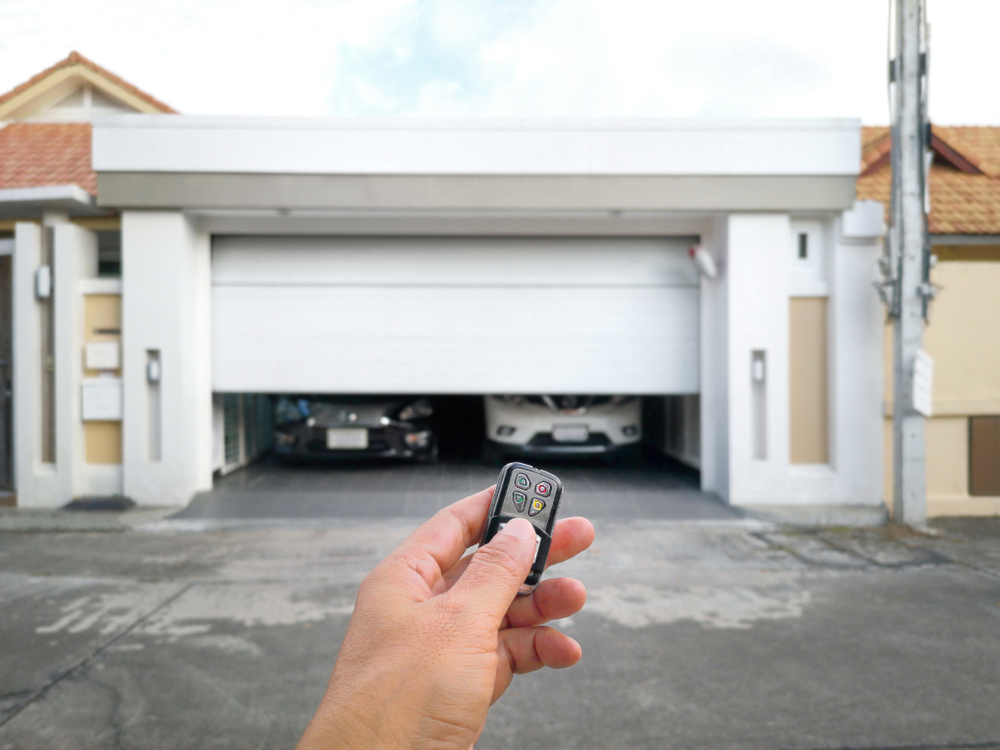
- Remote and wall switch: replace remote batteries and test the wall button. Weak batteries are a frequent reason to seek garage door opener repair.
- Sensor alignment: clean and realign safety sensors so LEDs face each other without obstruction.
- Manual disconnect: pull the emergency release to test manual operation — if the door moves smoothly, the opener may be the issue.
If these checks don’t fix the problem, document what you saw and consider contacting a technician. For seasonal tips and community updates, see our blog.
Common failure modes and what they mean
Opener won’t respond
When a unit is completely unresponsive, start with power and remote batteries. If power is confirmed, the internal fuse or circuit board may be damaged by surges or moisture — issues our technicians see frequently in Duvall homes. Professional garage door opener repair will diagnose electrical faults and recommend board replacement only when necessary.
Door reverses or won’t close
Automatic reversal usually points to safety sensor problems, travel limit settings, or broken springs/rollers causing binding. Sensors can be cleaned and realigned quickly, but misadjusted limits or failing springs require trained service for safe garage door opener repair.
Slow or noisy operation
Noise and sluggish movement often come from worn rollers, track debris, or low lubrication. Lubricate rollers, hinges, and the torsion assembly with a spray-approved product, then retest. If noise continues, call for a diagnostic — persistent grinding can signal gear wear inside the opener motor.
Safe DIY troubleshooting steps for homeowners
Only perform simple, non-invasive checks. Avoid adjusting springs or opening the motor housing; these tasks need tools and safety training.
- Reset power: unplug the opener for 30 seconds and plug back in to clear minor electronics glitches.
- Test the sensors: wipe lenses with a soft cloth; make sure plants, trash, or snow aren’t blocking the beam.
- Check limit switches: if the door closes then reopens, reduce limit travel slightly and test again; if unsure, stop and request professional garage door opener repair.
- Inspect the tracks and rollers: look for dents, debris, or missing fasteners and tighten loose bolts.
For more thorough troubleshooting steps and service options, view our services page for details on inspections, repairs, and preventative maintenance plans.
When to call a pro for garage door opener repair
Call a technician when issues involve:
- Broken springs or cables — these are hazardous to handle without proper tools and training.
- Electronic failures inside the opener housing or repeated circuit-board issues from moisture exposure.
- Doors that are out of balance after a manual test — an unbalanced door stresses the opener and can fail suddenly.
- Persistent safety sensor errors after cleaning and alignment.
Professionals bring the correct replacement parts and safety equipment to complete repairs quickly and keep warranty coverage intact. To schedule a local visit, use our contact page or call for same-day assistance.
Weather-related notes specific to Duvall, WA
In Duvall’s damp climate, moisture can corrode rollers, rust fasteners, and cause electrical shorts. Salt and gravel tracked from nearby roads may wear weather seals and tracks. Regular seasonal inspections reduce the need for emergency garage door opener repair and extend the life of moving parts.
Consider a winter checklist: clean gutters near garage openings, clear snow away from sensors, and check seals for cracking. A quick service visit before heavy rains can prevent system failures.
Costs, timelines, and local expectations
Typical small repairs — sensor realignment, remote replacement, lubrication — can be completed in an hour or less. More complex repairs involving springs, cables, or circuit boards usually take 1–3 hours depending on parts availability.
On pricing: many local homeowners in Duvall see a range of costs. Minor repairs often fall in a modest range, while spring replacement or motor swaps are higher due to parts and labor. Get an on-site estimate to understand exact costs for your model and door type.
Maintenance to avoid frequent garage door opener repair
- Schedule biannual inspections: check balance, tighten hardware, and lubricate moving parts.
- Replace remote batteries annually and test sensor alignment after storms.
- Keep tracks clear and free from buildup; small debris creates binding and extra wear.
- Enroll in a maintenance plan to catch small problems early and keep warranty terms valid.
Regular care reduces emergency calls and helps your opener operate smoothly for years. For tailored maintenance plans and seasonal checkups, see our services page.
What to expect during a professional repair visit
A trained technician will:
- Inspect the door balance and opener function.
- Test safety sensors and remote systems.
- Diagnose electrical components and check for water damage.
- Provide a written estimate before proceeding with repairs.
Most repairs are completed the same day. If special parts are required, your technician will explain timelines and keep you informed of any permit or replacement needs for local compliance.
Wrap-up: safe decisions for garage door opener repair in Duvall
Knowing how to troubleshoot common problems saves time and prevents escalation. Use basic checks first — power, batteries, sensor alignment — and call a qualified technician for springs, internal motor faults, or electrical issues. Regular maintenance helps avoid costly repairs and keeps your garage doors performing reliably in Duvall, WA’s climate.
Need an expert inspection or fast repair? Call our local team for reliable service and clear pricing.
Frequently Asked Questions — Duvall, WA
Q: How does Duvall’s weather affect my garage door opener?
A: Moisture and cold can corrode components and stiffen lubricants. We recommend a preseason inspection in fall and spring to prevent moisture-related failures.
Q: How long does a typical garage door opener repair take?
A: Most sensor, remote, or wiring repairs take under an hour. Spring or motor replacements usually take 1–3 hours depending on parts and door size.
Q: What price range should Duvall homeowners expect?
A: Minor repairs often cost modestly; spring or motor replacements are higher due to parts and safety labor. We provide on-site estimates before work begins.
Q: Are repairs covered by warranty or permits needed in Duvall?
A: Manufacturer warranties may cover defective parts; professional installation keeps warranties valid. Permits are rarely required for simple repairs, but larger replacements may need local permits — your technician will advise.
Q: Can I schedule same-day service in Duvall?
A: Same-day service is often available for safety issues or inoperable doors; contact us promptly so we can dispatch a technician.
Helpful local resources in Duvall, WA
- Garage Door Repair Seattle
- Garage Door Repair Bellevue
- Garage Door Repair Redmond
- Garage Door Repair Kirkland
- Garage Door Repair Mercer Island
- Garage Door Repair Edmonds
- Garage Door Repair Issaquah
- Garage Door Repair Tacoma
- Garage Door Repair Everett
- Garage Door Repair Bothell
- Garage Door Repair Sammamish
- Garage Door Repair Renton
- Garage Door Repair Lynnwood
- Garage Door Repair Woodinville
- Garage Door Repair University Place
- Garage Door Repair Gig Harbor
- Garage Door Repair Lakewood
- Garage Door Repair Puyallup
- Garage Door Repair Mukilteo
- Garage Door Repair Vancouver
- Garage Door Repair Kenmore
- Garage Door Repair Burien
- Garage Door Repair Auburn
- Garage Door Repair South Hill
- Garage Door Repair Yarrow Point
- Garage Door Repair Clyde Hill
- Garage Door Repair Port Townsend
- Garage Door Repair Duvall
- Garage Door Repair Snoqualmie